

The Uncanny Valley Appeal: What’s Driving the Obsession With Creepy Doll Bag Charms?
Because nothing says “fashion elite” like a creepy-cute keychain.
Trends work in mysterious ways: although they are shaped by our times, they remain wildly unpredictable. Take, for example, the Stanley Cup craze: Why did a giant tumbler become the must-have item of last summer, spotted in car cup holders, school playgrounds, gyms, and in the hands of moms tracking their water intake?
First released in 2016, Stanley tumblers didn’t really take off until 2019, when an influencer marketing campaign—and the chaotic randomness of social media trends—catapulted them into viral fame.
The Rise of a Viral Obsession
Fast-forward to now, and yet another unexpected trend has taken the Internet—and women’s designer bags—by storm, years after first being released: Labubu dolls.
These mischievous, sharp-toothed plush toys, created by Hong Kong artist Kasing Lung and produced by Chinese toy company Pop Mart in 2019, have become an unlikely fashion flex.
What Are Labubu Dolls, and Why Are They Everywhere?
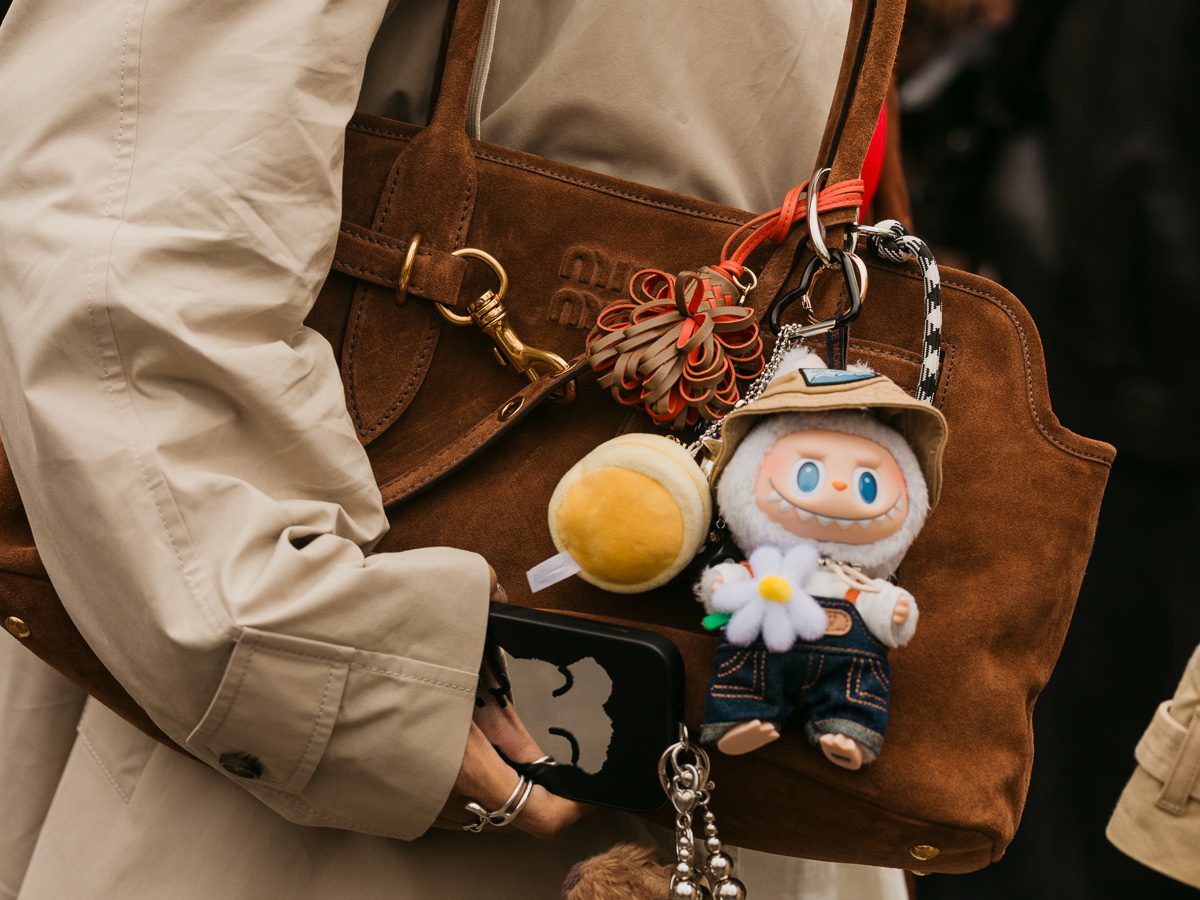
Seen everywhere from TikTok to Instagram and the streets of major cities, Labubu dolls are now dangling from Birkins, Fendi Baguettes, Chanel Flap bags, and other ultra-luxe accessories. Scroll through almost any social media platform and you’ll see Labubu posed next to the latest Telfar drop, perched on a Loewe Puzzle bag, or swinging from a Goyard Saint Louis.
It’s a striking juxtaposition: the little creatures are relatively affordable, ranging from under $25 to around $100, but they have come to almost define the super-expensive bags they’re being carried around on (and in).
Blind Boxes, Scarcity, and the Power of Mystery
Part of the appeal involves a genius marketing campaign: the Labubu items are sold in blind boxes, meaning buyers don’t know which figure they’re getting until they open the package they purchased. The mystery element, combined with limited releases, drives demand and frequently results in sellouts and even store brawls, events that are made even more curious by the fact that the dolls, which are inspired by a Nordic-style picture book by Lung and belonging to “The Monsters” tribe collection, are, let’s be honest, kind of ugly.
It all begs a few questions: why are people so obsessed with these creepy-cute Labubu dolls? What does attaching one to your expensive designer bag say about you and about our culture at large?
Celebrity Endorsement and the Influence Loop
“These collectibles have several ‘it-factor’ attributes,” says Rachel Makar, Senior Director of Merchandising at StockX, the fashion resale platform where Labubu dolls have also become hot items.
“High-profile celebrities are accessorizing their favorite handbags with the creatures and thus have propelled them into the fashion spotlight. Influencers have taken to social platforms like TikTok and Instagram to share unboxing videos and their own styling tips, and the limited nature of these releases, coupled with the blind box element, has created a heightened sense of exclusivity and excitement.”
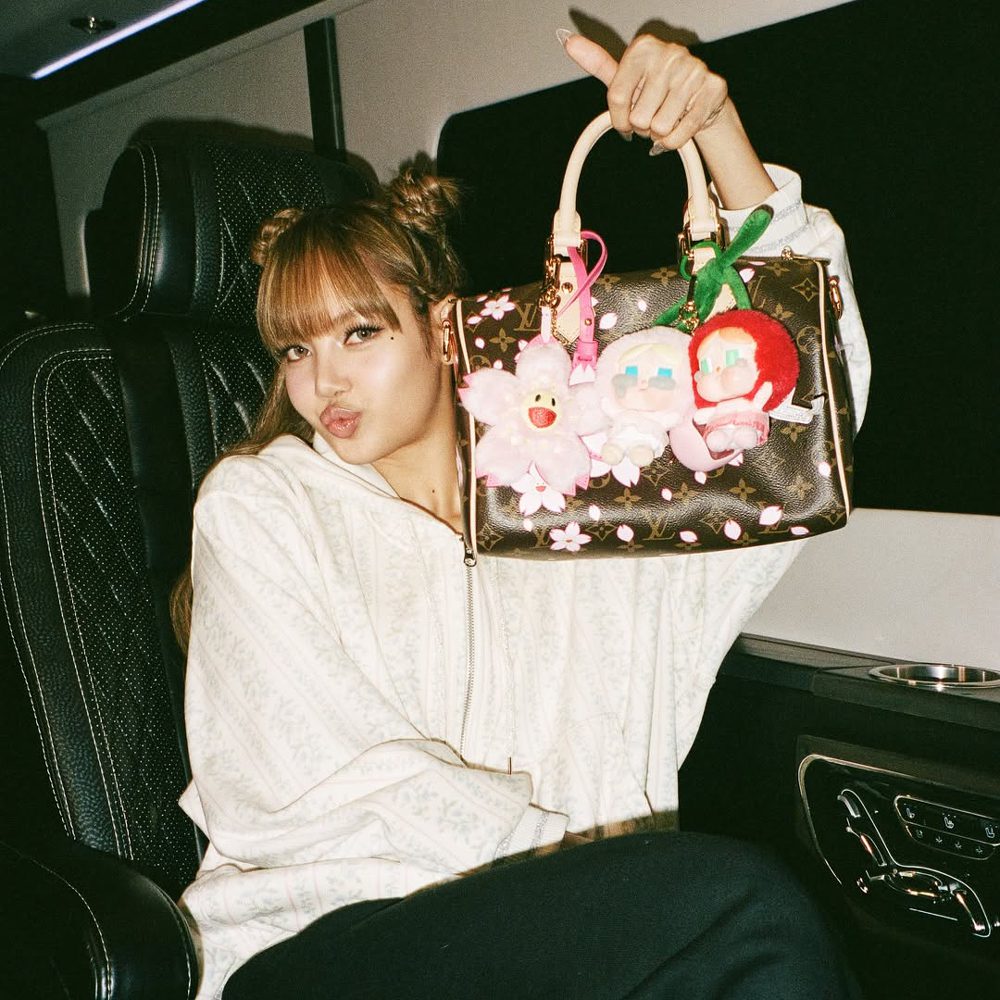
Indeed, the celebrity factor has been crucial. Rihanna was recently spotted at the airport with a Louis Vuitton tote adorned with a Lychee Berry Labubu, and Dua Lipa was seen with two dolls—a gray Sesame Bean and a pink Dada—hanging from her Birkin.
BLACKPINK’s Lisa, on the other hand, has been credited as one of the earliest adopters of the trend, perhaps even its spearhead, as she posted the plush toys on social media back in 2024.
Celebrities do and the masses follow, of course, but, as Makar touches upon, there’s more than star influence at play here.
A Touch of Nostalgia, a Signal of Cool
“There’s a nostalgic element to this all,” says Robert Ossant, a fashion historian. “It reminds me of when we were kids and would collect Cabbage Patch dolls. Those kids are the millennials of today—the main buying force behind Labubu.”
According to Ossant, the figures have evolved into symbolic tokens, similar to Cabbage Patch dolls over the years.
“You’re carrying something around that has an air of magic to it,” he explains. “They signal being fun, youthful and not taking yourself too seriously. It’s the idea of ‘cool rich’—not stuffy old money. Think of Dua Lipa and Rihanna. They’re cool people who carry Labubu, and you want to be in that tribe.”
Michele Sobel, founder of Michele Sobel Fine Art, which specializes in hand-painting designer bags, says Labubu’s rise may be mysterious—but its appeal in the TikTok era is easy to understand.
“We’re in the age of TikTok, so this is the ideal collectible to go viral—especially with the excitement around blind boxes that you can stream,” she says.
Sobel notes that some clients now request Labubu dolls painted directly on their handbags. Why invest in a keychain when you can have the thing actually painted on your bag, right?
From Accessory to Identity Marker
There’s also a democratizing element to the trend. Because each purchase is random, anyone—regardless of budget—could end up with one of the rarest, most coveted Labubu figures. It’s a little bit of fashion roulette, and it levels the playing field.
And that all leads to a broader conversation about fashion’s deeper purpose: self-expression—and the choice to fit in, or not to. Whether you buy one of these highly coveted dolls and accessorize like everyone else, or consciously opt out of the trend, you’re still actively participating in the very essence of fashion: using what you wear to tell the world who you are, what you believe in and which tribe you want to belong to.
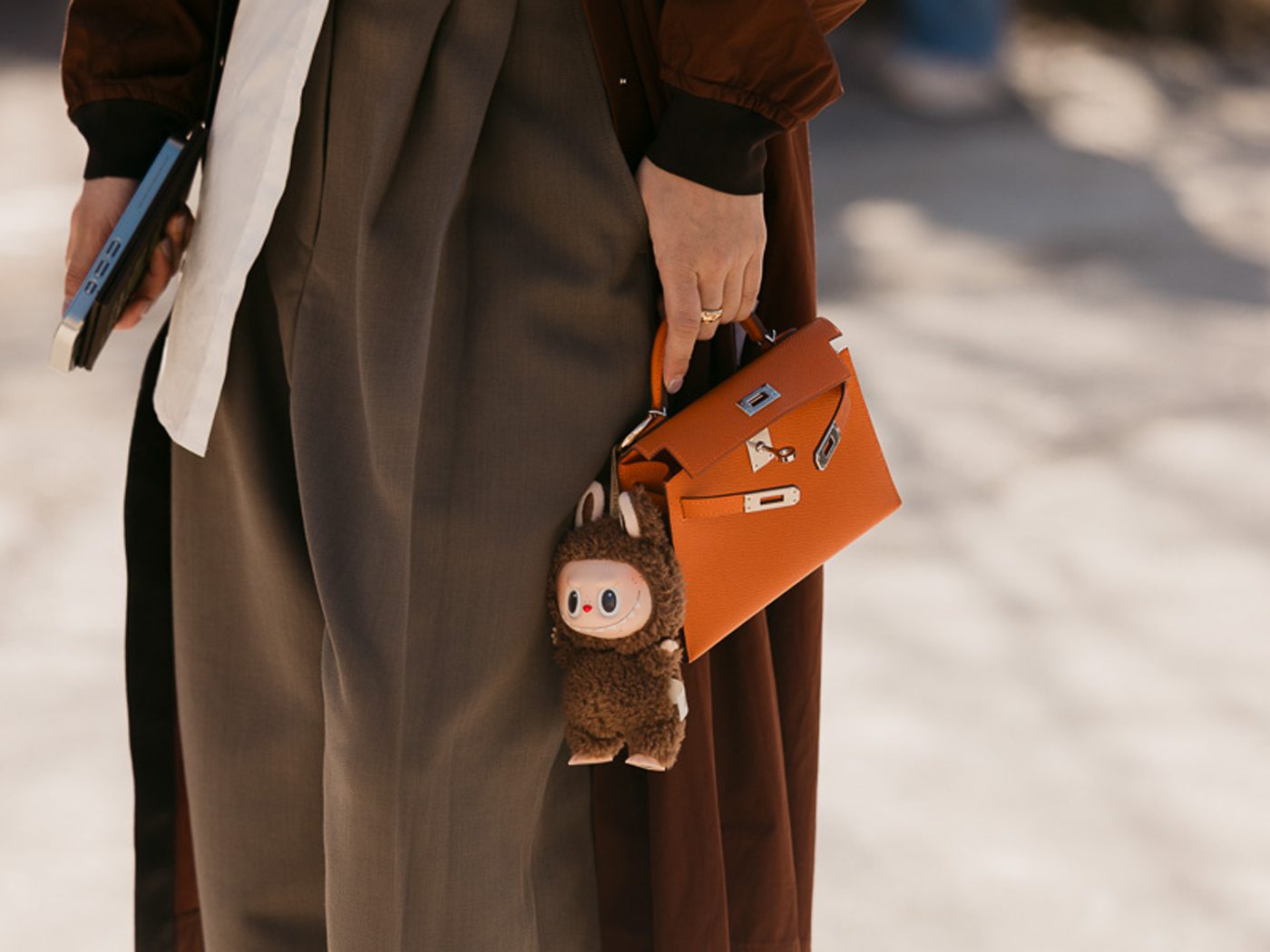
“These removable accessories are just another way for people to express their personalities,” says Sobel.
Not Just a Trend—a Statement
Clearly, there’s no single reason behind the rise of the Labubu doll. As trends normally do, the item has slipped into the consciousness of a few early adopters, including celebrities, exploded across social media given a variety of factors, and then looped back into real-world fashion in just a few months.
For what it’s worth, we’re glad the fad isn’t financially prohibitive. Perhaps the most refreshing part of it all is that, even though the dolls rose to prominence in the era of serious and constantly contested politics, the whole ordeal just doesn’t take itself too seriously.